

Introduction
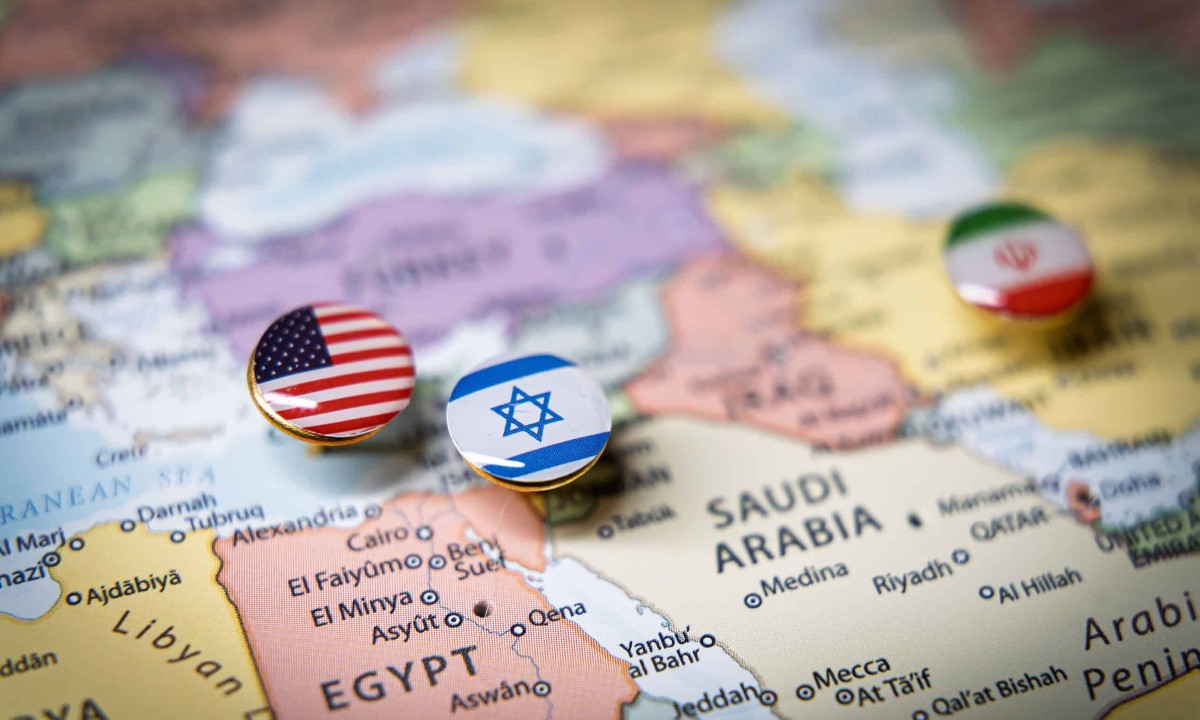
The Malaysia My Second Home programme (MM2H) has moved well beyond its old positioning as a lifestyle perk. In 2026, it is increasingly treated as a strategic layer in regional portfolio construction, driven in no small part by the spillover risks from the Middle East Crisis 2026.
As energy markets tighten and volatility transmits across currencies and asset classes, sophisticated capital is reallocating toward jurisdictions with structural resilience. Malaysia, as one of Southeast Asia’s few net energy exporters, is stepping into that role.
At Hartamas International, we work with clients who are actively repositioning for this environment. This article breaks down how the current crisis reframes residency as a strategic asset: impacting mobility, capital preservation, and long-term optionality. We also examine how Malaysia’s posture of “active neutrality” is quietly elevating its status as a preferred base for regional wealth, particularly among investors recalibrating exposure from Singapore and Taiwan.
TLDR: Key Takeaways for Busy Investors
- Energy Resilience: Malaysia is a net energy exporter, shielding it from the heavy import dependency on fossil fuels seen across Japan, Korea, and Taiwan.
- MM2H Overhaul: New tiers (Silver, Gold, Platinum) lower entry barriers while requiring property ownership.
- Currency Strength: The Ringgit appreciated 10.2% in 2025, offering a dual benefit of asset and currency growth.
- Strategic Corridors: The Johor-Singapore SEZ and KLCC remain top picks for capital preservation.
Table of Contents
- How does the Middle East conflict affect MM2H?
- Is Malaysia a geopolitical safe haven in 2026?
- Understanding the New MM2H Tiers: Which is best for you?
- Why is property ownership mandatory for MM2H now?
- Why Are Taiwanese and Singaporean Investors Turning to MM2H?
- Why Is Malaysia Attractive for Healthcare and Education?
- Final Recommendations for Hartamas Clients
1. How does the Middle East conflict affect MM2H?
The Middle East conflict acts as a primary transmission channel for global inflation. Malaysia’s MM2H program is attracting investors because our country’s status as a net energy exporter provides a structural hedge against these shocks.
The disruption of the Strait of Hormuz has created a ‘global war surcharge.’ While oil-importing nations face regressive taxes on productivity, Malaysia has leveraged its hydrocarbon income to bolster its current account surplus. For MM2H applicants, this means a more stable domestic economy compared to regional peers.
Comparative Economic Impact (2026 Crisis)
| Economic Metric | High-Exposure Importers (Taiwan/Japan) | Net Exporters (Malaysia) | Regional Hubs (Singapore) |
|---|---|---|---|
| Energy Supply Chain | Severe disruption; spot market reliance | Stabilised by domestic production; net surplus | Managed via strategic reserves |
| Fiscal Impact | High import bills; balance-of-payment pressure | Net energy exporter status provides structural buffer amid global oil price volatility | Inflationary pressure offset by strong currency |
| Capital Flows | Defensive outflows to safe-haven assets | Strong net inflows; outperforming regional peers | Record investment sales in Q1 2026 (USD 15.4B) |
| Monetary Policy | Rate hikes to stabilise currency and inflation | Stable OPR at 2.75% | Tightening to combat oil shock |
Source: IMF, J.P. Morgan Private Bank, Business Times (2026)
2. Is Malaysia a geopolitical safe haven in 2026?
Malaysia utilizes an ‘Active Neutrality’ framework to maintain economic sovereignty. This diplomatic posture ensures the nation remains a trusted partner for both Western and Eastern blocs during the US-Iran conflict.
Political stability has emerged as Malaysia’s most significant ‘soft asset.’ The administration has successfully narrowed the budget deficit to 3.8% of GDP. Adherence to the Zone of Peace, Freedom, and Neutrality (ZOPFAN) prevents Malaysia from being forced into binary geopolitical choices.
3. Understanding the New MM2H Tiers: Which is best for you?
The revamped MM2H program offers a three-tier structure—Silver, Gold, and Platinum—to accommodate different investment capacities. The overhaul successfully removed the restrictive RM40,000 monthly income requirement, opening doors for the ‘mass affluent’.
MM2H Program Tier Comparison (2026 Regulations)
| Requirement | Platinum Tier | Gold Tier | Silver Tier | SEZ / SFZ Category |
|---|---|---|---|---|
| Visa Duration | 20 Years (Renewable) | 15 Years (Renewable) | 5 Years (Renewable) | 10 Years (Renewable) |
| Fixed Deposit | USD 1,000,000 | USD 500,000 | USD 150,000 | USD 32k–65k (age-dependent) |
| Min. Property Purchase | RM 2,000,000 | RM 1,000,000 | RM 600,000 | From approved developers |
| Right to Work | Permitted | No | No | No |
| Govt. Participation Fee | RM 200,000 | RM 3,000 | RM 1,000 | RM 1,000 |
| Agency Fee | RM 70,000 | RM 55,000 | RM 40,000 | RM 40,000 |
| Min. Age | 25 Years | 25 Years | 25 Years | 21 Years |
Source: MM2H Division, Ministry of Tourism, Arts and Culture Malaysia; Wise MM2H Guide; Global Residence Index (2026)
The Silver tier has emerged as the clear favorite, accounting for 83.5% of total approvals in 2025. This indicates that the program is successfully tapping into the mass affluent segment of Singaporean and Greater China investors.
4. Why is property ownership mandatory for MM2H now?
Property purchase is now a mandatory requirement across all standard MM2H tiers to ensure residents are active stakeholders in the economy. This policy creates a ‘guaranteed floor’ for the luxury real estate market and ensures foreign liquidity is less sensitive to local interest rate cycles.
- Lock-in Period: Properties must be held for 10 years, though upgrades to more expensive units are permitted.
- Capital Access: Participants can withdraw up to 50% of their fixed deposit for the property purchase after the visa is issued.
Kuala Lumpur City Centre (KLCC) properties remain highly attractive, with median prices ranging from RM 1,500 to RM 2,500 per square foot. This price differential allows investors from high-cost cities like Singapore to acquire premium assets with yields of 4-5% or higher.
5. Why Are Taiwanese and Singaporean Investors Turning to MM2H?
Taiwanese investors use MM2H as an energy hedge. Singaporean investors use it for cost arbitrage. Both use it to establish a strategic dual-base across jurisdictions.
The Taiwan Energy Hedge
Taiwan generates 48% of its electricity from LNG, making it structurally vulnerable to Middle Eastern shocks. Malaysia offers a ‘cultural and industrial mirror’ and a safe haven for wealth outside the immediate sphere of cross-strait tensions
The Singapore Dual-Base Strategy
Singaporeans are leveraging the RTS Link to maintain a dual-base, escaping high costs while remaining minutes from the Republic. Proximity to the Johor-Singapore Special Economic Zone (JS-SEZ) is the primary catalyst for this integration.
6. Why Is Malaysia Attractive for Healthcare and Education?
Malaysia offers world-class healthcare and education at a fraction of the cost found in Singapore. This ‘Education Arbitrage’ allows families to access premium curricula like IB or Cambridge while reducing expenses significantly.
The Education Cost Advantage
| Feature | Singapore International Path | Malaysia International Path |
|---|---|---|
| Annual Tuition (Primary) | SGD 25,000 – SGD 45,000 | RM 20,000 – RM 45,000 |
| Annual Tuition (Secondary) | SGD 30,000 – SGD 55,000 | RM 25,000 – RM 65,000 |
| Academic Environment | Intense, exam-driven | Flexible, balanced |
| Living Costs | High — private tutoring, rent premium | Moderate — 15–25% of Singapore equivalent |
| Connectivity | Highly efficient, but expensive | Improving rapidly — RTS Link is the catalyst |
Source: CHIS International School, iSchool Advisor, Malaysian Education Guide (2026)
Private Healthcare Cost Benchmarks for Expats (2026)
| Service | Estimated Cost (RM) |
|---|---|
| General Consultation | RM 80 – RM 250 |
| Specialist Consultation | RM 250 – RM 600 |
| MRI / CT Scan | RM 1,500 – RM 4,000 |
| Hospitalisation (1 Night) | RM 800 – RM 3,000 |
| Annual Expat Health Insurance Plan | RM 1,200 – RM 5,000 per year |
Source: Alea.care, Pacific Prime, Human Resources Online APAC Medical Inflation Report (2026)
Conclusion
The 2026 global landscape is one of extended transition. Malaysia stands as a singular beneficiary of the shift toward resource security and neutrality. For Singaporean and Taiwanese investors, the MM2H program is no longer just a lifestyle choice—it is a sophisticated tool for strategic asset realignment and de-risking.
At Hartamas International, we believe the current window of political stability and currency strength represents a unique ‘ground floor’ opportunity. Whether you are seeking an energy hedge in Penang or a dual-base in Johor, the MM2H framework provides a structured and resilient route to long-term security.
Ready to Secure Your Future?
The complexity of the 2026 landscape requires expert guidance. At Hartamas International, we provide personalised guidance on MM2H tier selection, property acquisition, and full application support. We have helped clients from Singapore and Taiwan navigate every stage of the process — from initial assessment through to approval and property handover.
for a confidential consultation on de-risking your capital.
Still weighing up your options? Ask us: which MM2H tier fits my situation — and what property should I be looking at right now?
Disclaimer
This article is intended for general informational purposes only and does not constitute financial, legal, immigration, or investment advice. The information presented reflects publicly available data and market observations at the time of writing and is subject to change without notice. Readers should not rely on this article as the basis for any investment or residency decision.